Yad Vashem
Our visit this morning to Yad Vashem—Israel’s official memorial to the victims of the Holocaust—began by watching haunting black-and-white footage of vibrant everyday Jewish life in Europe pre-World War II. With the help of a tour guide, we then navigated through the prism-like Holocaust History Museum, where the floor slopes downward as visitors descend into the darkest history of the Jewish people and then ascends again as the triangle opens.
Along the way, we delved into the chronological history of the Holocaust and heard stories of victims and their families, among them Abramek Koplowicz, a Polish boy who was incarcerated in the Lodz Ghetto and died in the gas chamber at age 14. We saw a notebook of his poetry miraculously recovered by his family, where he wrote:
“When I grow up and reach the age of 20 I’ll set out to see the enchanting world. I’ll take a seat in a bird with a motor; I’ll rise and soar high into space. I’ll fly, sail, hover; Over the lonely faraway world.”
Our guide at Yad Vashem marveled at the knowledge and challenging questions of our CDS 8th graders, stating their expertise and insight exceeded those of many groups of undergraduates and even adults he has led through the museum.
We visited the Hall of Names, with a circular hall that houses the collection of “Pages of Testimony”—short biographies of each Holocaust victim—in black binders; Jordan shared the image of a page of testimony that his own family submitted to the archive.
We exited the museum to a dramatic view of modern-day Jerusalem; it’s a reminder of why the State of Israel exists and symbolic of the passage of the Jewish people from exile and destruction to rebirth.

We then entered the Children’s Memorial, hollowed out from an underground cavern in tribute to the approximately 1.5 million Jewish children who were murdered during the Holocaust. Memorial candles are reflected infinitely in the darkness, creating the impression of millions of stars shining. The names of the children, their ages, and counties of origin are heard in the background.
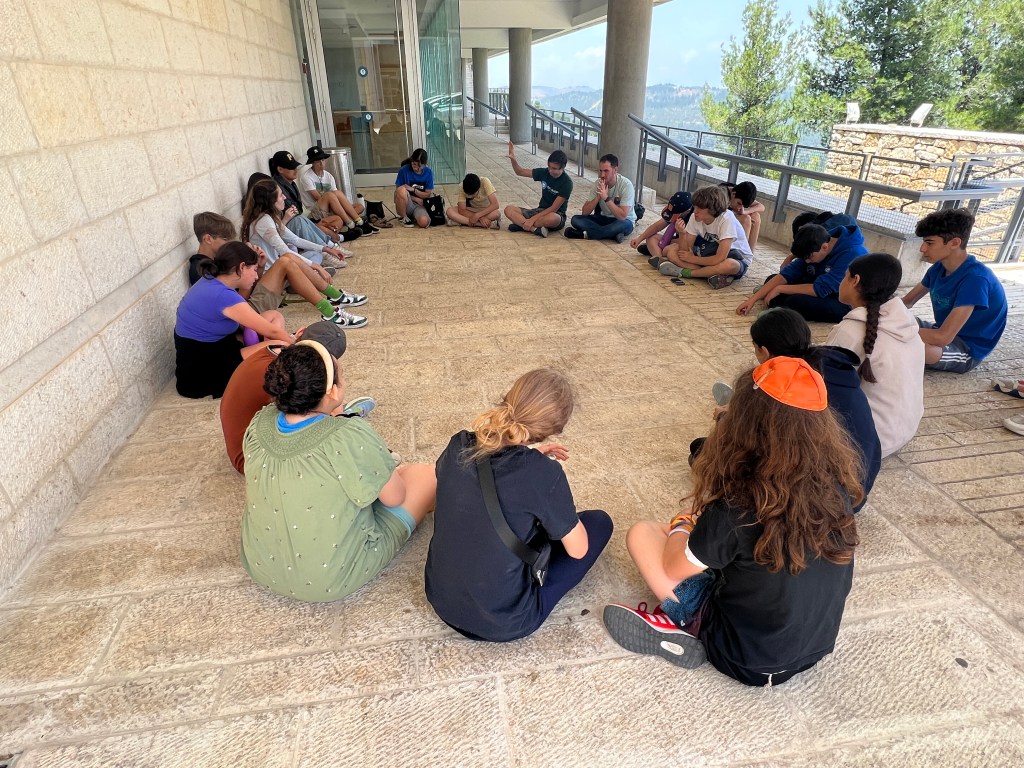
Afterward, we shared our thoughts, questions, and impressions in a debrief session led by our tour guide Shirel. Elisheva shared that how important it is to collect the stories of those whose voices were silenced by the Holocaust. Lehv said he was moved by the 1939 painting “The Refugee” by Felix Nussbaum depicting the artist’s mounting desperation on the eve of the war; he drew connections with modern-day refugees and antisemitism. Others candidly shared their feelings about the difficult images in the museum and the need to take time to process their emotions and what they learned.
Machane Yehudah Tasting Tour
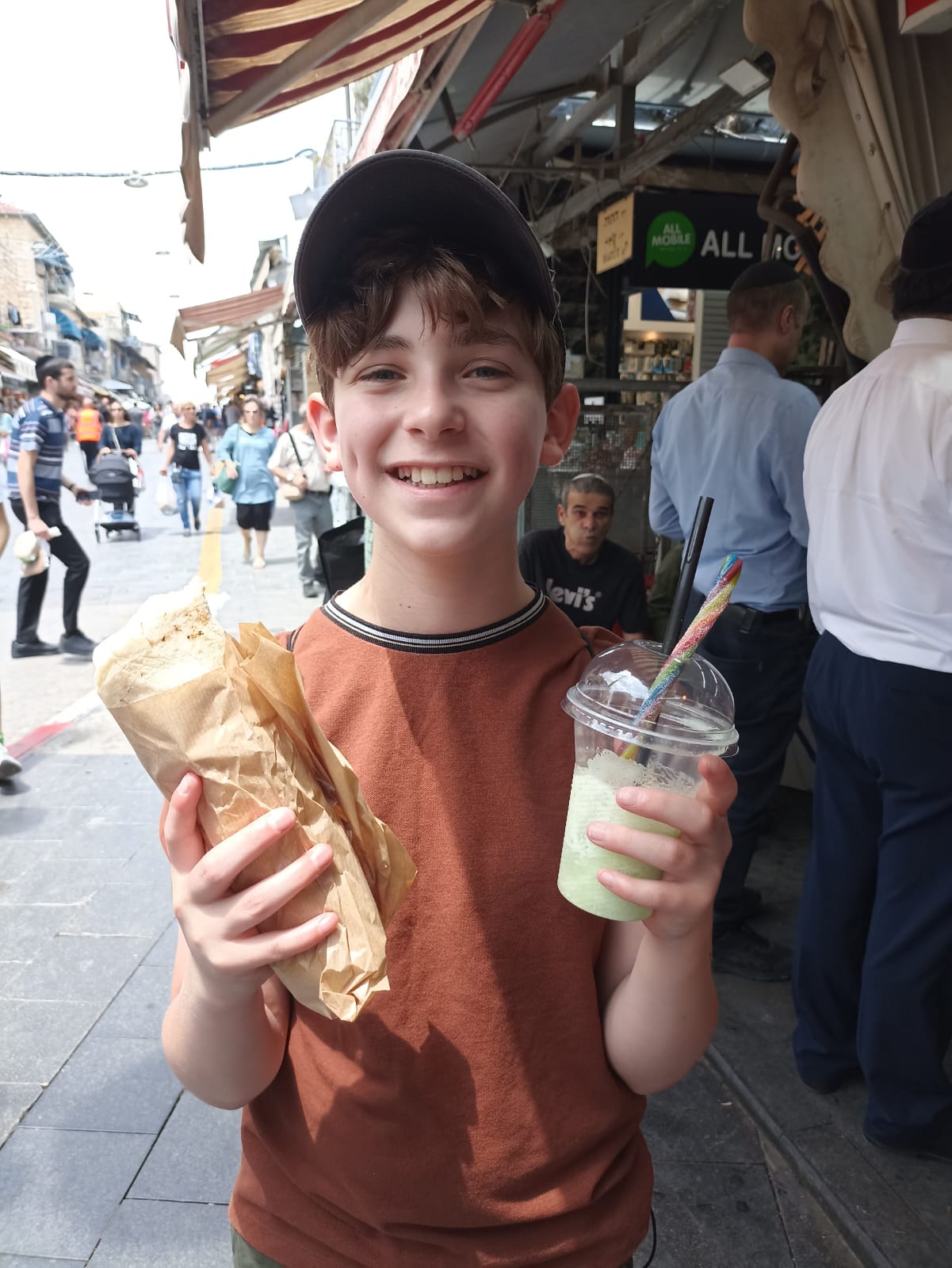
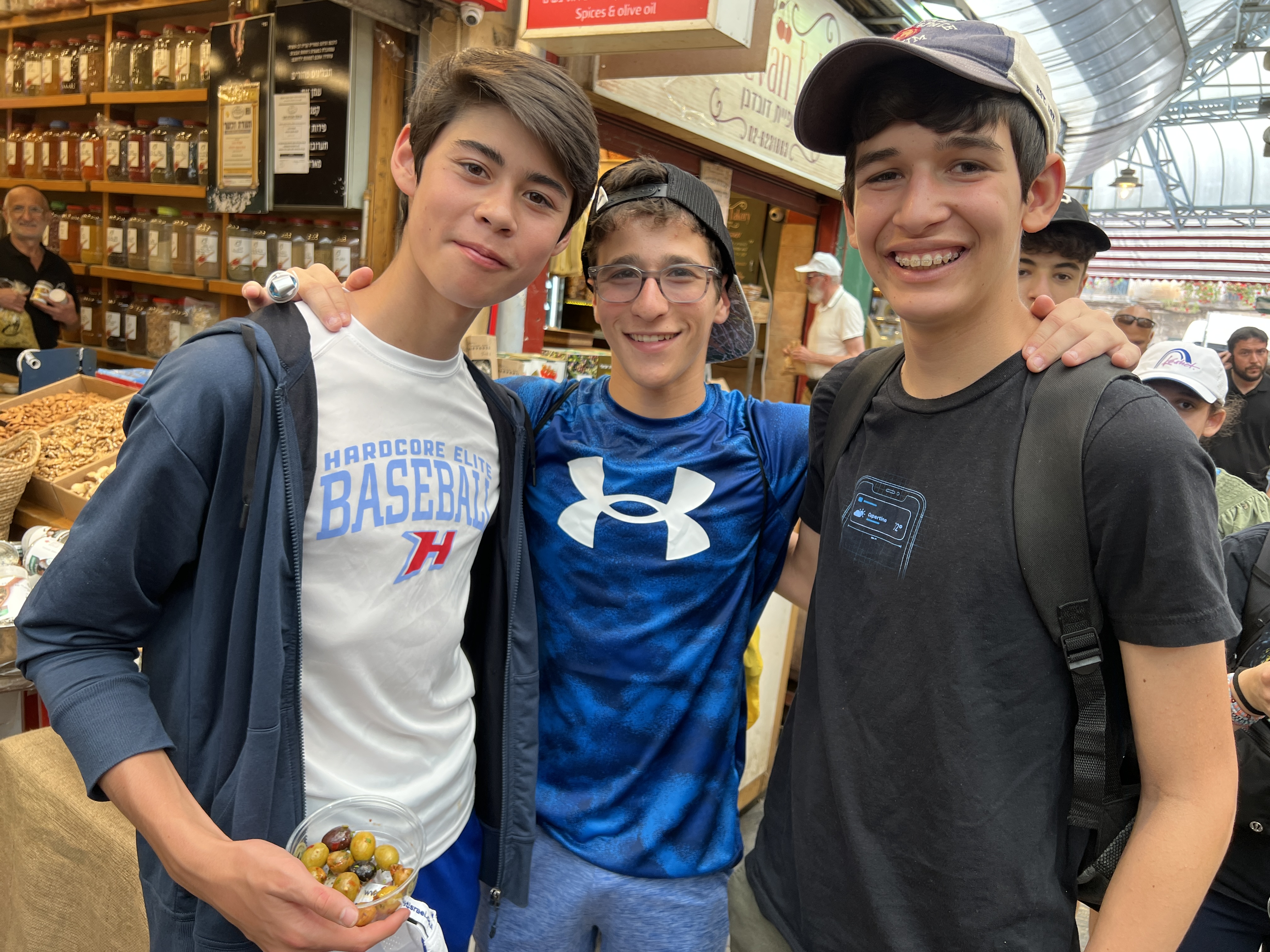
From there, it was on to the lighter part of our day—at least emotionally—as we filled up on delicious food at Machane Yehudah during a “tasting tour” of the shuk. Everyone was given cards with colorful tickets to exchange for various Israeli foods to try at different vendors in the market, such as bourekas, falafel, kubbeh, olives, halva, hummus, knafeh, sabich, labane, and more yummy treats!

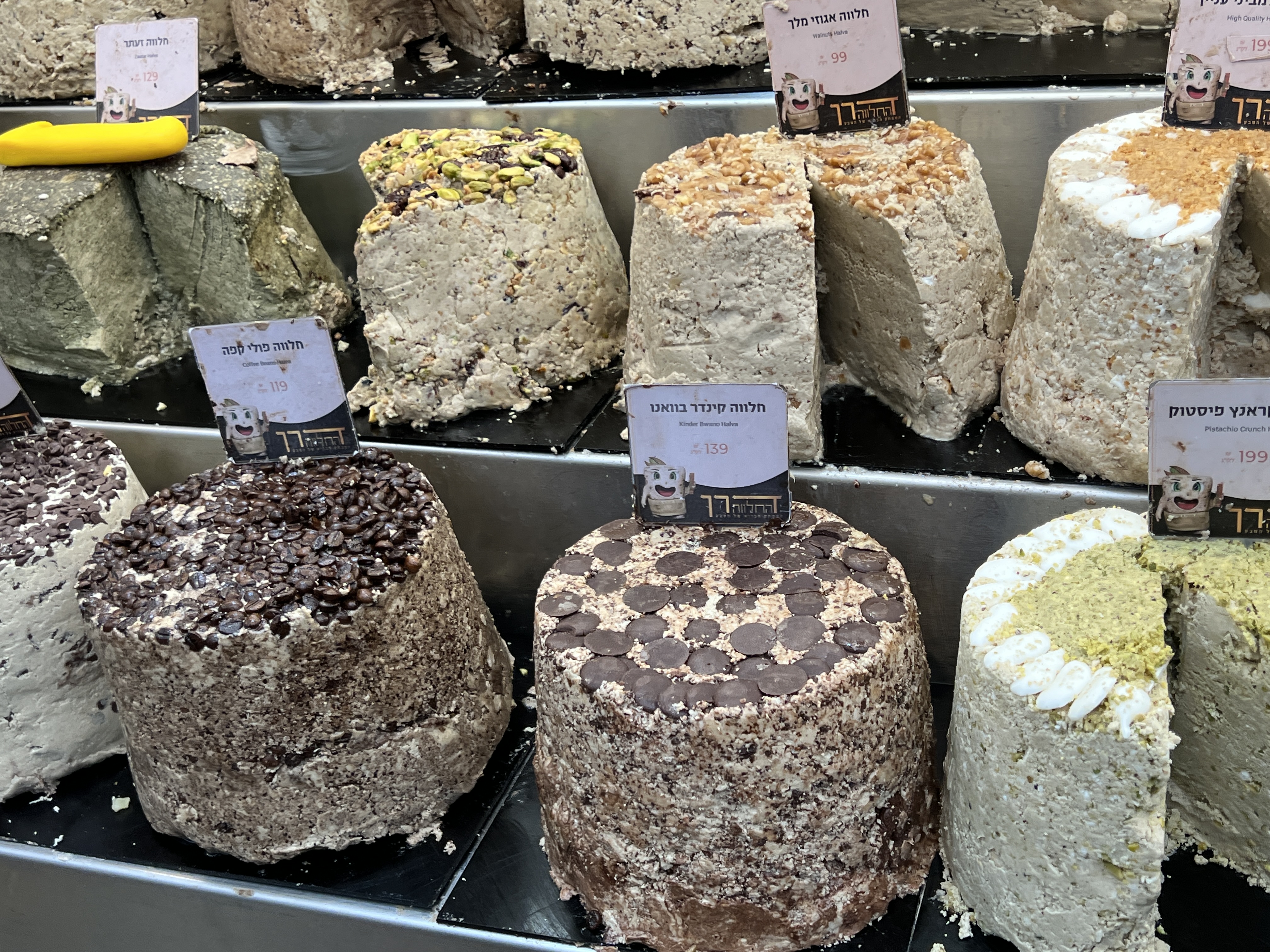
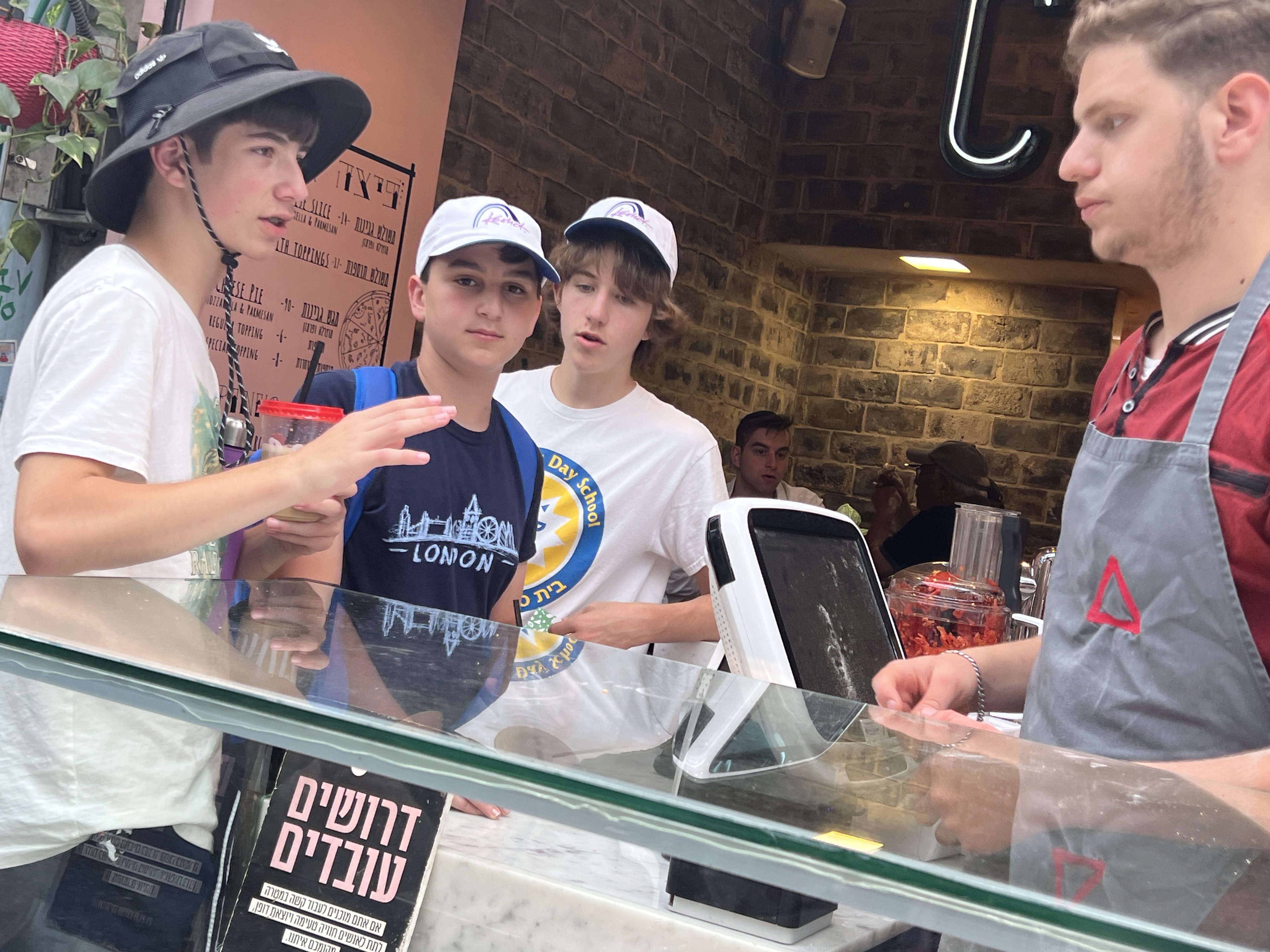


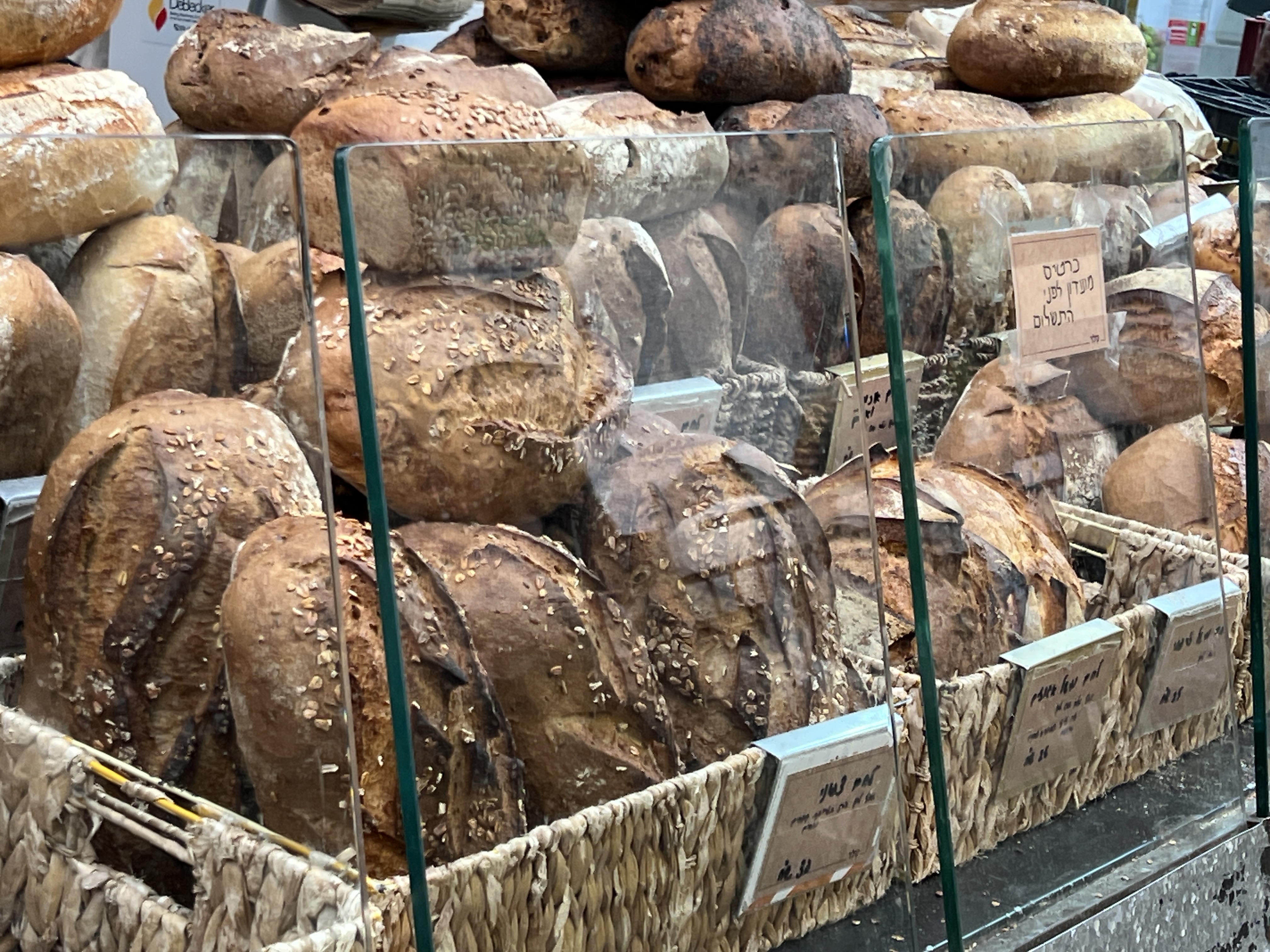

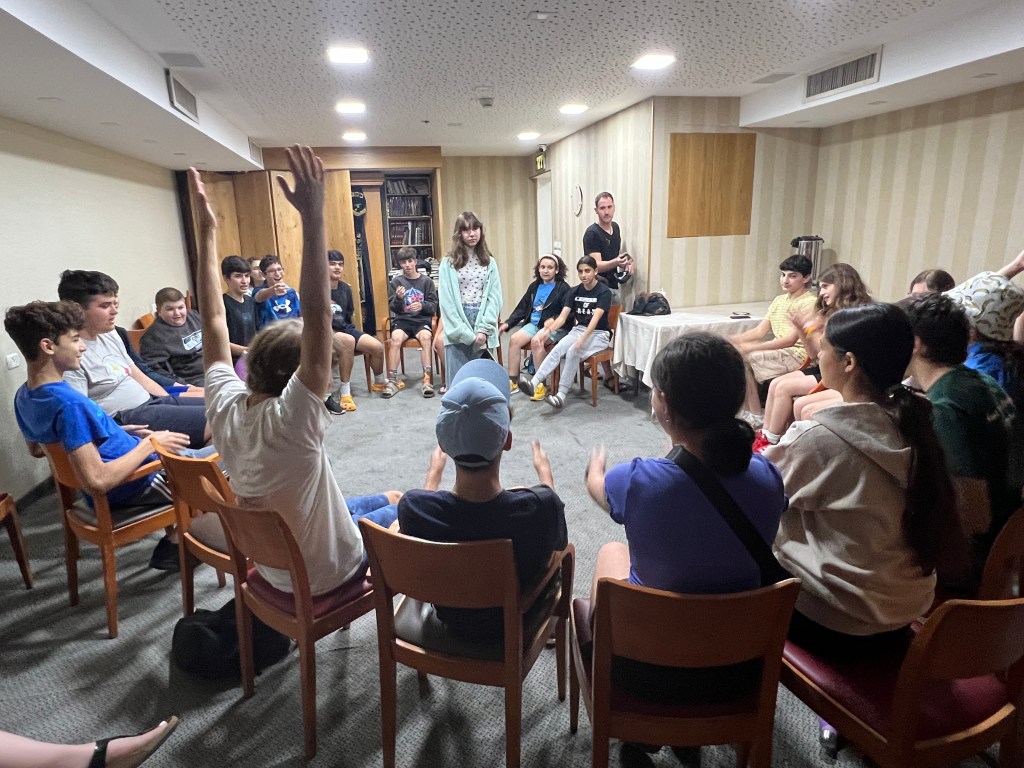
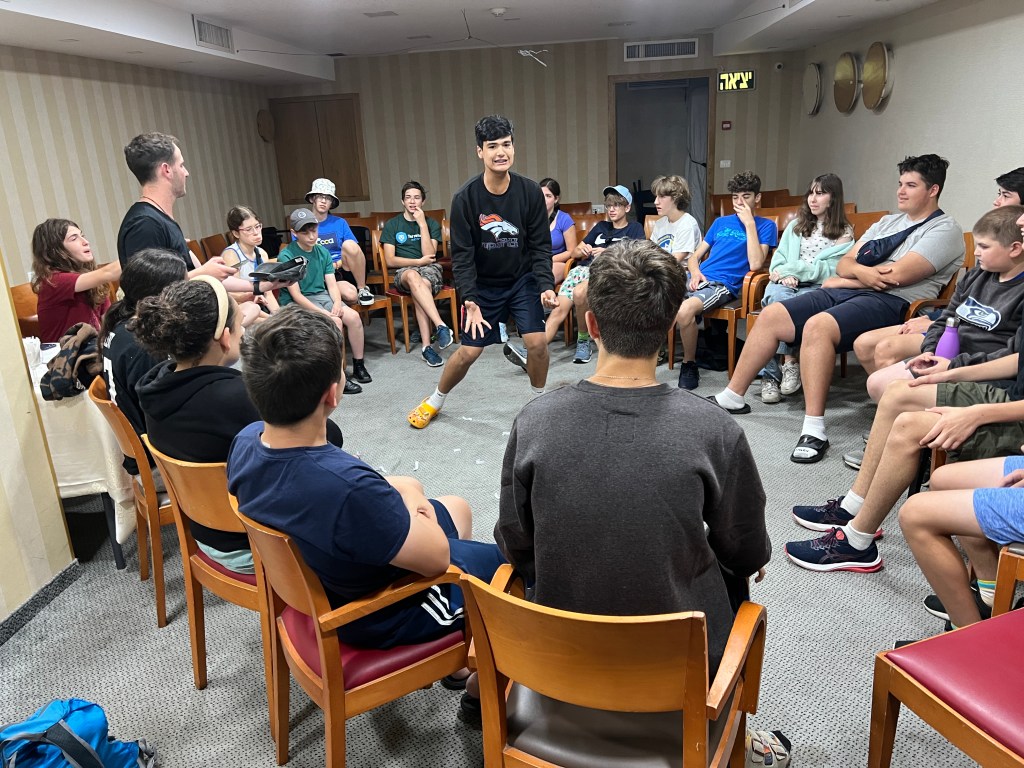
After some rest time, we enjoyed a highly competitive version of the game “Taboo” and “David HaMelech” with Tomer, followed by dinner at the stylish Malka Mall.

 CDS Spain